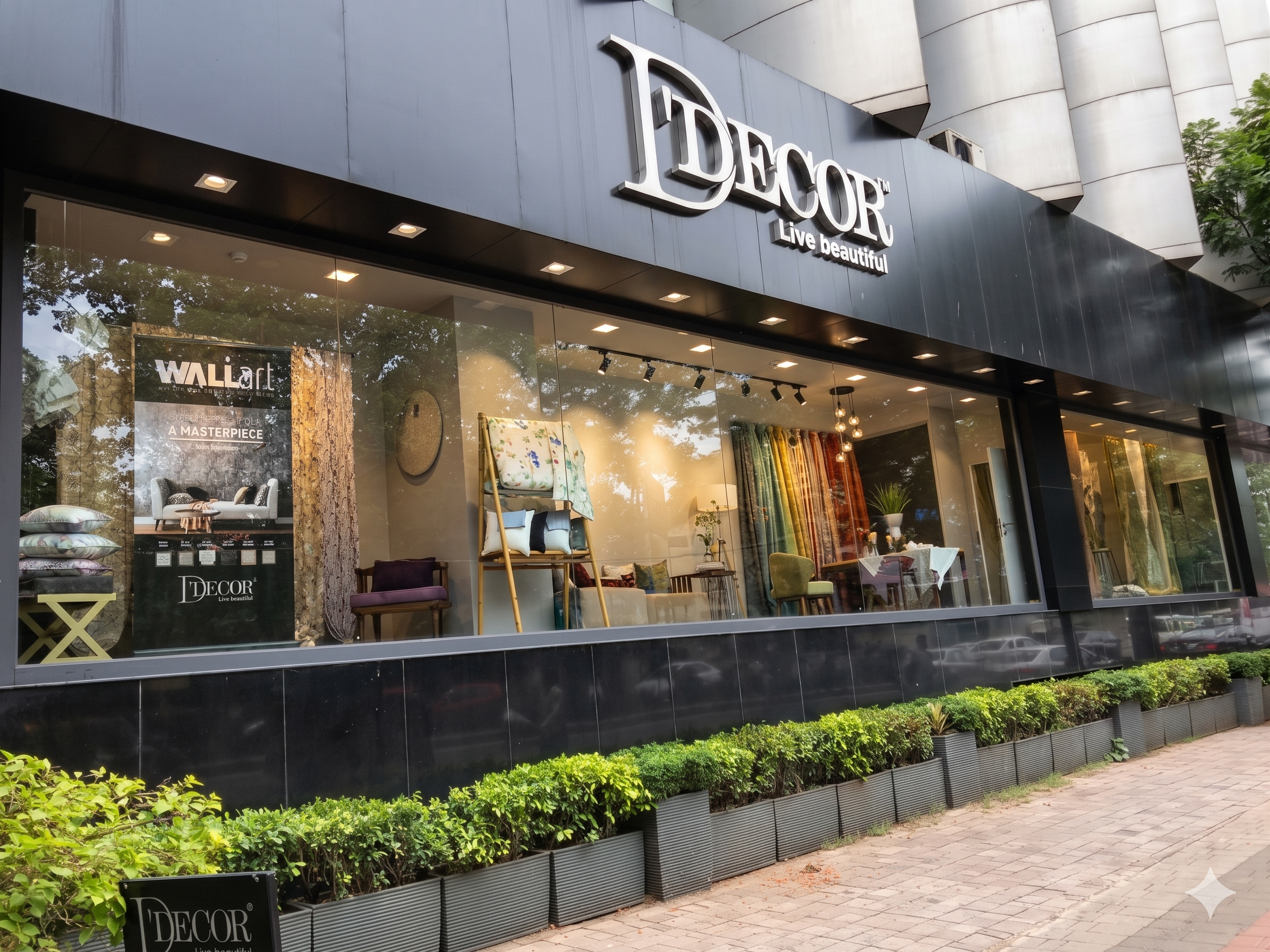
When an architect specifies champagne gold, rose gold, bronze, or mirror black for an architectural sign, traditional lacquered brass or electroplated finishes bring immediate anxiety: fingerprint corrosion, hairline scratching, and tarnishing within six months. PVD (Physical Vapour Deposition) has completely transformed how architectural signage handles metal finishes.
How PVD titanium bonding works
Unlike electroplating — which deposits a superficial layer of metal that can flake or wear off — PVD is a vacuum chamber process where titanium ions are vaporized in a plasma environment and atomically bonded into the surface matrix of stainless steel (SS 304 or SS 316).
- Extreme surface hardness: Up to 4 times harder than chrome, offering superior scratch and abrasion resistance.
- Zero tarnishing: Does not oxidize, pit, or discolor when exposed to ambient moisture, cleaning agents, or indoor humidity.
- Complex geometries: Uniformly coats 3D welded letter returns, bevels, and micro-perforations without buildup at edges.
Choosing between hairline, bead-blasted, and mirror
The underlying stainless steel base texture dictates the final optical character of PVD:
- Hairline brushed: Directional grit lines diffuse reflections, ideal for corporate headquarters and boardroom branding.
- Bead-blasted / Matte: Non-directional soft shimmer, perfect for exterior monumental letters under direct tropical sunlight.
- Super-mirror (#8): Flawless optical reflection, popular for luxury boutique retail fascias and hospitality reception signage.
Specifying for exterior vs interior applications
For interior lobbies and reception desks, SS 304 grade with PVD coating provides an indefinite lifespan. For coastal cities or heavy urban pollution zones, specifying marine-grade SS 316 with PVD coating is essential to prevent micro-pitting from chloride exposure.